TO EXPERIENCE
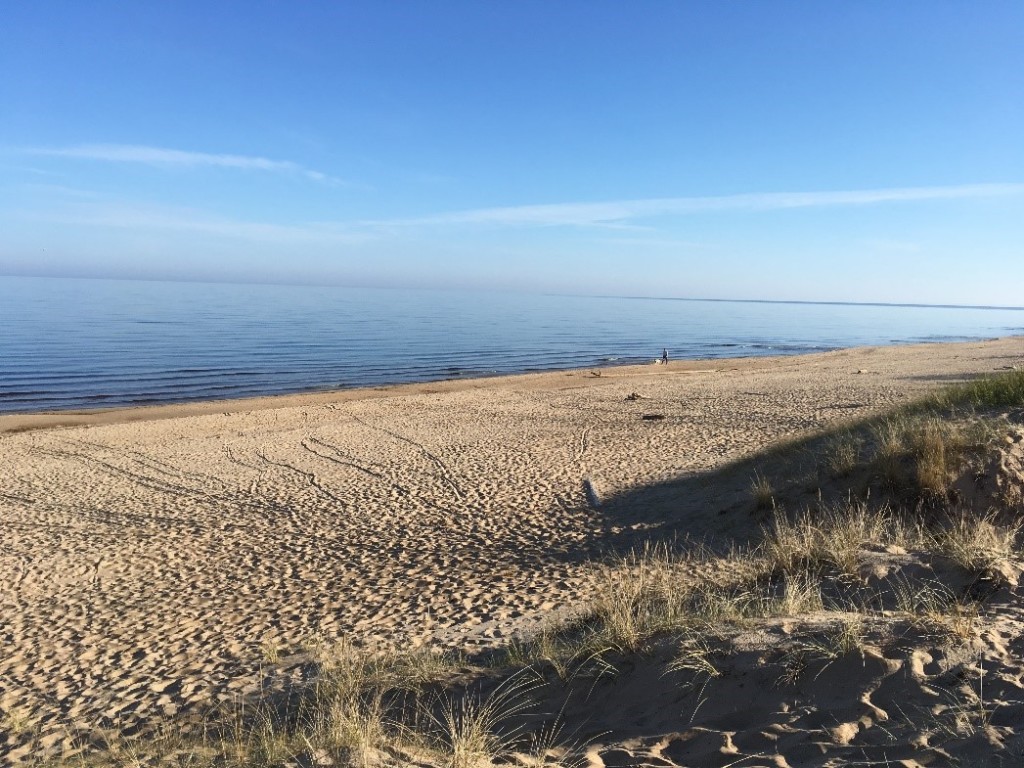
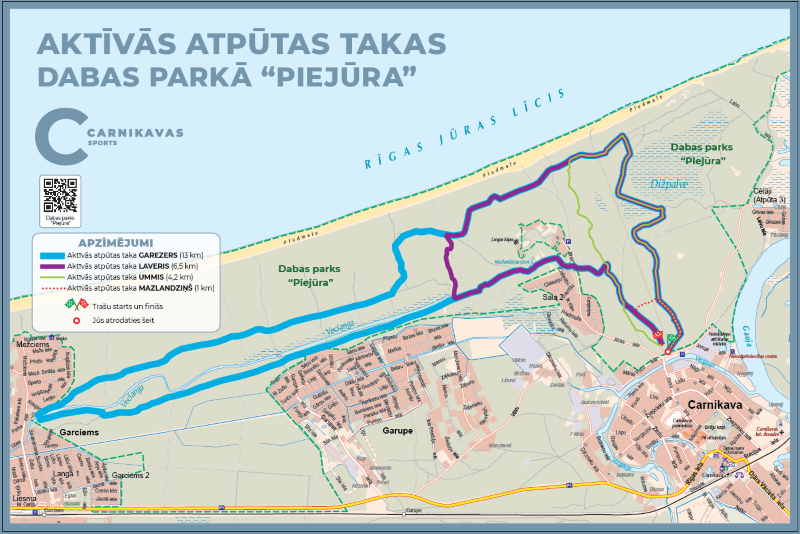
The nature park “Piejūra” is located within the territories of three municipalities – Riga, Saulkrasti, and Carnikava.
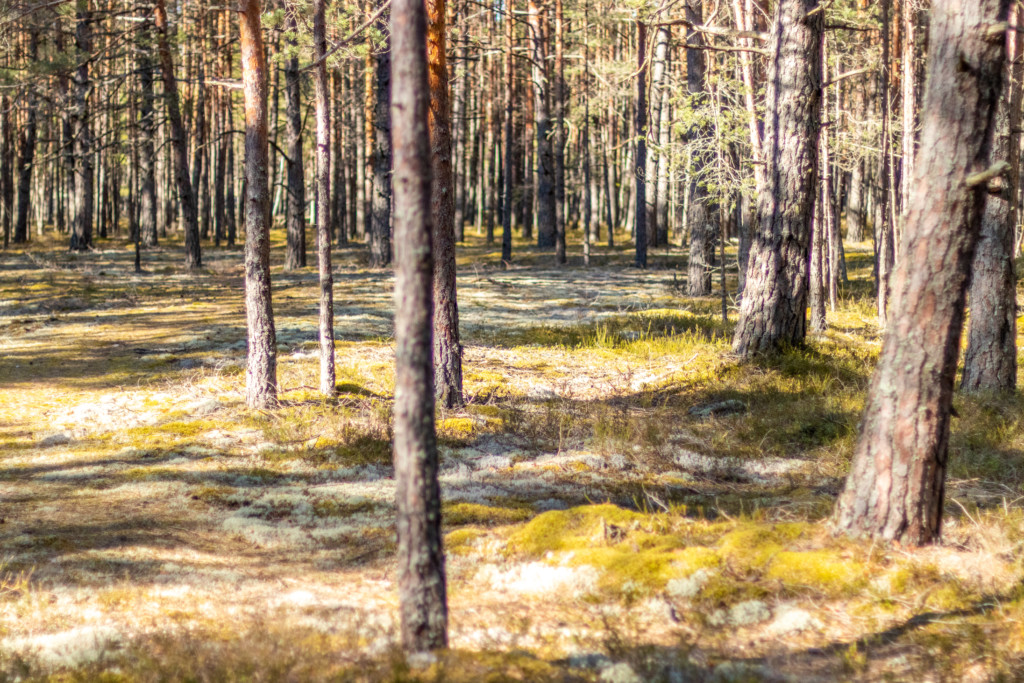
The park stretches along the sea for 19 km. More than half of the nature park is covered by coastal forests, including rivers, lakes, and the seashore. Historically, this park has attracted people for fishing opportunities, while others have been interested in its rich land resources. Forests cut down during the time of Catherine II had significant consequences, “reviving” the shifting dunes, while intensive fishing has contributed to the decline of several fish species. To preserve rare coastal habitats along the Vidzeme coastline, the nature park “Piejūra” has been established in modern times, and special attention is given to its protection.
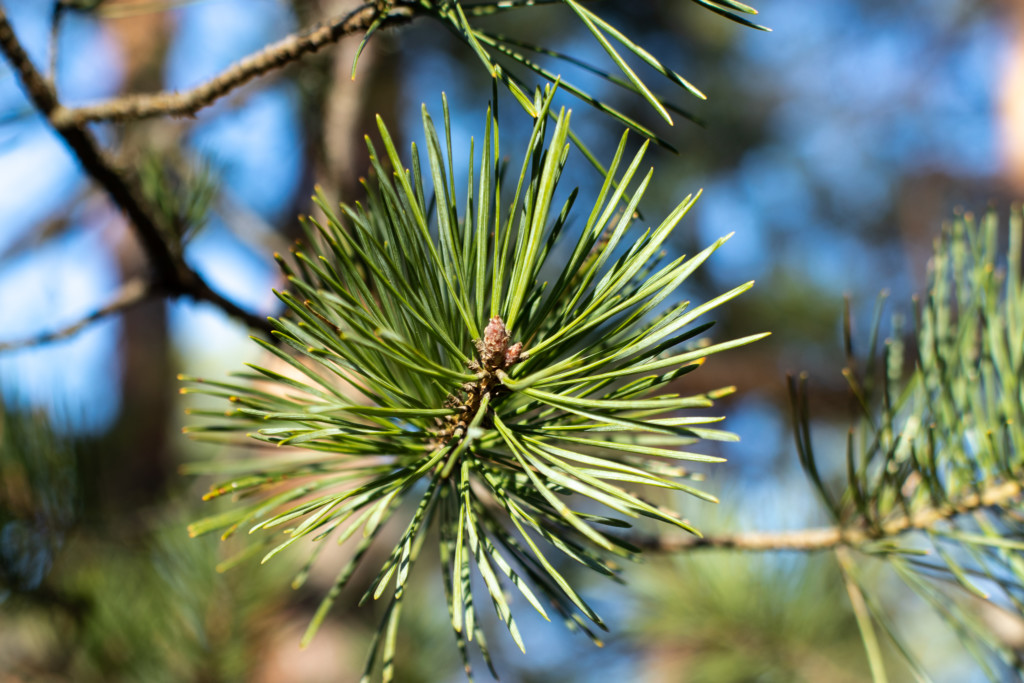
Objects within the park have been given various names over time, each carrying its own stories, legends, and beliefs. Near Kalngale, you can see the “Three Friends” – three pine trees that have grown together, located near Kalngale railway station. Closer to the sea, near the Garciems parabolic dune, there is a view of the Rose Dune, best seen in summer when wild roses are in bloom. Nearby, you will also find the Valley of Life, named for its unusual tree diversity – a small deciduous valley has developed within a pine forest, often visited by songbirds.
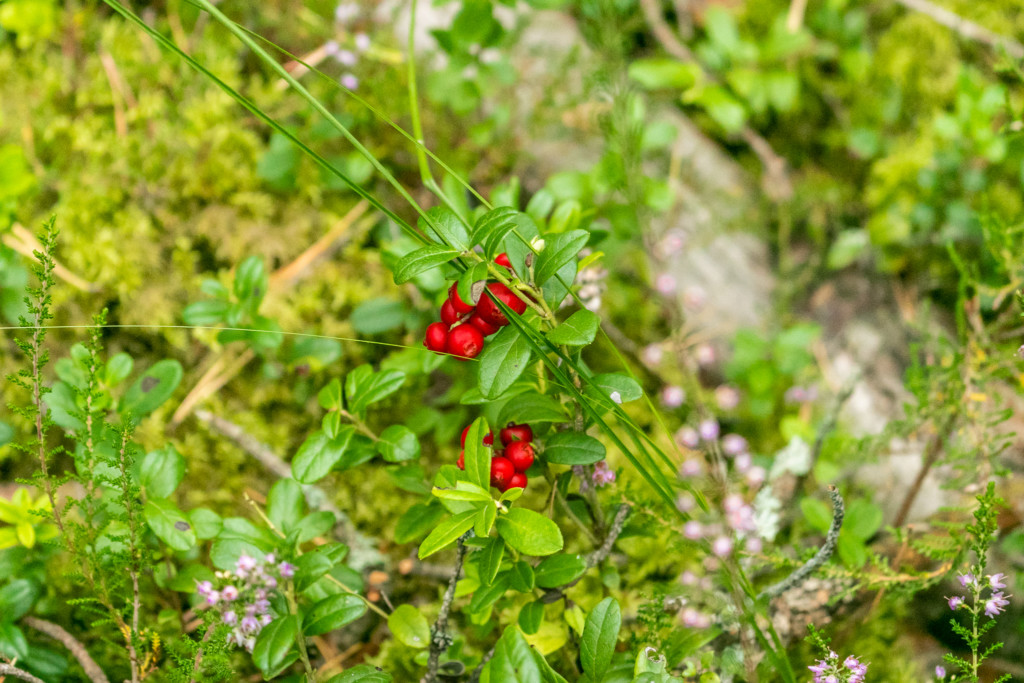
The Nature Conservation Agency has recorded many rare coastal habitats in the area. Particularly important are embryonic dunes, foredunes, forested seaside dunes, and old boreal forests. There are many rare plant and animal species. Several rare bat species have been identified near Garezers Lake.
The Nature Conservation Agency has registered 42 nature parks in Latvia, encompassing natural and cultural-historical values of specific regions. Nature parks are suitable for preserving characteristic landscapes, educating the public, providing recreation, and maintaining biodiversity.
Green tips for recreation in the nature park “Piejūra” (© Lauku ceļotājs):
- Visit the local Tourism Information Center;
- Leave waste only in designated places;
- Remember that in Latvia cars may only be driven on roads;
- Park your car where it does not harm nature or disturb others;
- Sometimes it is more interesting to observe common species rather than rare ones;
- Do not leave “autographs” on natural formations such as rock outcrops;
- Buy local products from nearby farmers and businesses;
- If there is no firewood at a campfire site, try to buy it from a nearby farmhouse or bring your own wood, charcoal, and grill;
- Do not use open fire during fire-risk periods. Never dispose of ashes in water, as this promotes overgrowth;
- Pack your mobile phone carefully during boating so you are less tempted to use it; turn off the sound to avoid disturbing wildlife;
- While boating, keep noise down and speak quietly to better observe animals;
- Dogs must be on a leash and muzzled during boating trips;
- Start boating where access to the river is easy without causing erosion;
- In NATURA 2000 areas, overnight stays are allowed only in designated camping sites or accommodations;
- Do not enter caves in autumn, winter, or spring, as bats and other animals hibernate there;
- Use as much locally produced goods as possible;
- Record your observations – notes with precise data may be useful for research and conservation;
- Respect others’ rights and do not violate your own;
- Avoid chasing waterfowl families with chicks along the river – carefully go around them;
- Cut mushrooms with a knife and avoid mechanical devices when picking wild berries;
- Observe animals and birds from a distance without disturbing them;
- Save resources when staying in tourist accommodations or hotels;
- Do not visit habitats of animals, especially rare species, during breeding, nesting, or hibernation periods;
- Travel using environmentally friendly transport – train, bicycle, boat, or skis;
- When walking in nature, follow in a single file;
- Review fishing regulations and check local rules before fishing.
Prohibited in the nature park “Piejūra”:
- Being in Lake Ummis from June 1 to August 15;
- Setting up tents or making fires outside designated public recreation areas;
- Driving motor vehicles, carts, mopeds, or scooters in the park unless related to property management, park maintenance, supervision, or national defense tasks;
- Damaging or destroying informational signs and infrastructure;
- Using motorboats or boats with engines in South Garezers, Middle Garezers, North Garezers, and Lake Ummis, except for supervision, maintenance, or scientific research;
- Engaging in underwater hunting in the same lakes.
More detailed information about individual protection and usage regulations for the nature park “Piejūra” is available online.
The nature conservation plan for the park is also available online, as well as additional information about the park.