
TO EXPERIENCE
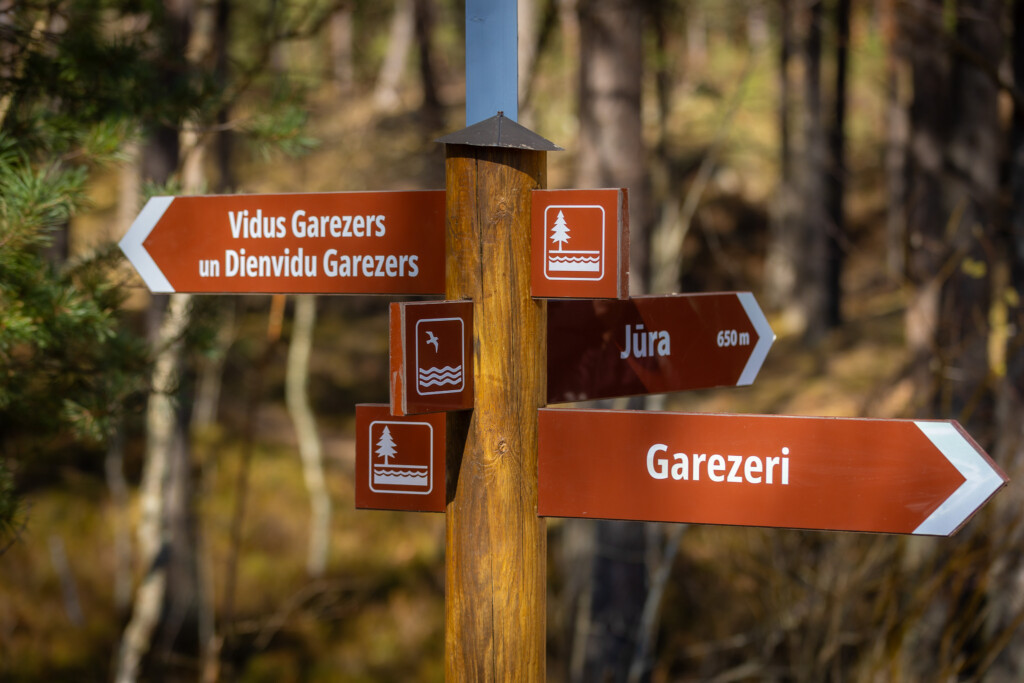
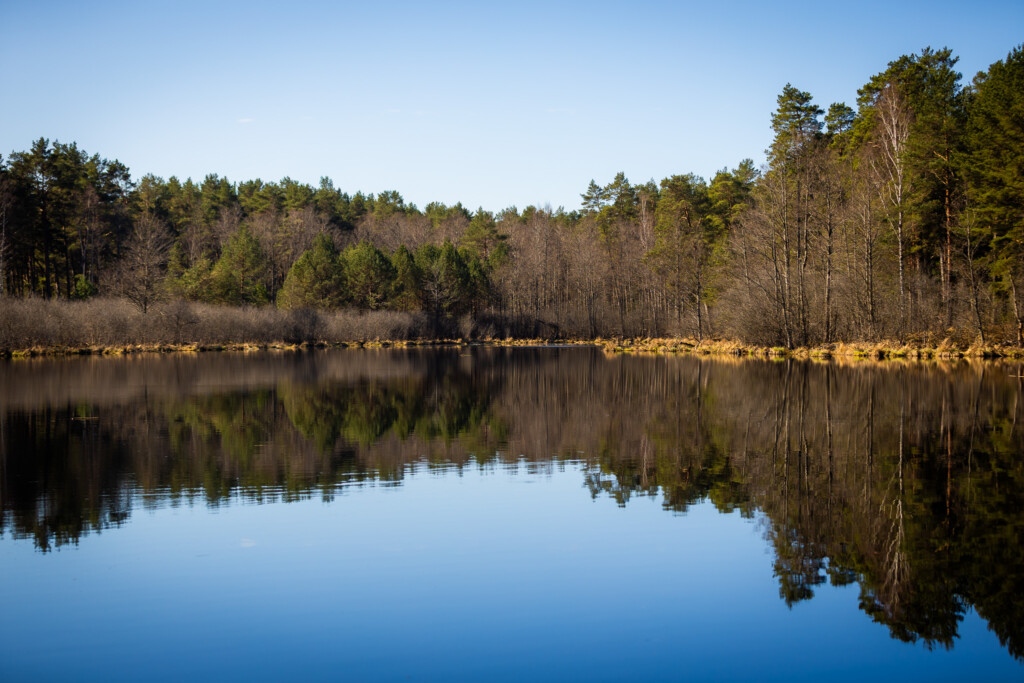
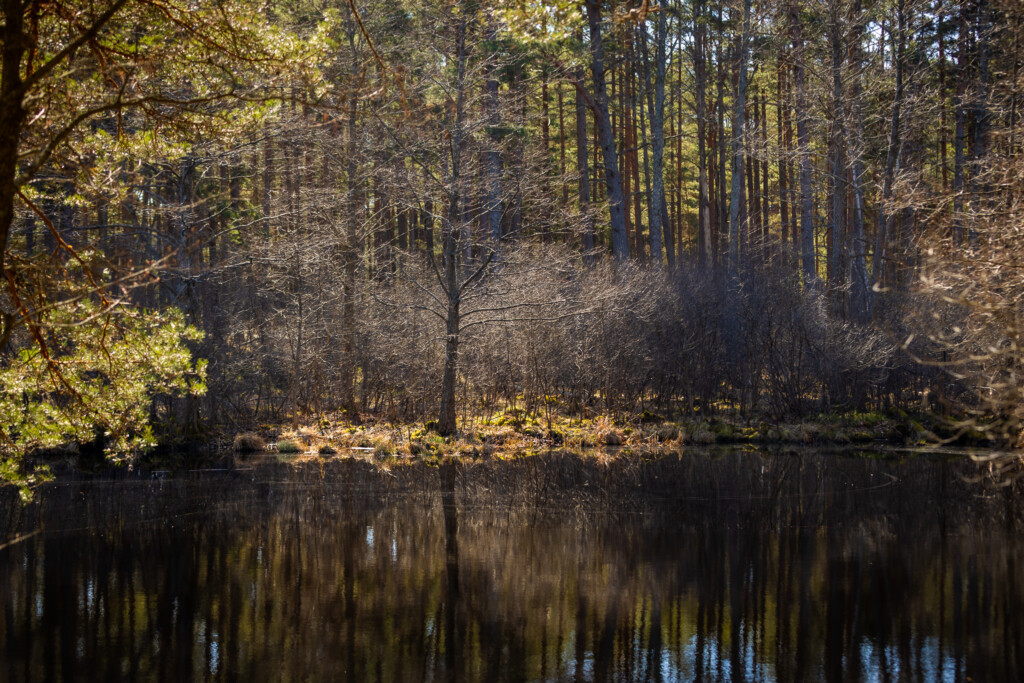
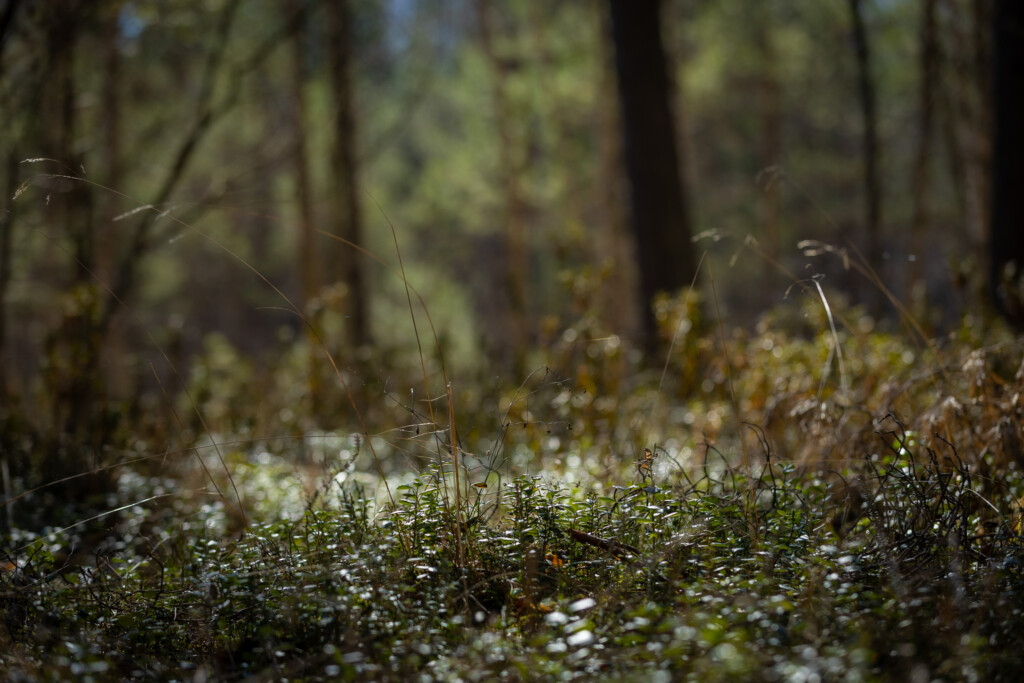
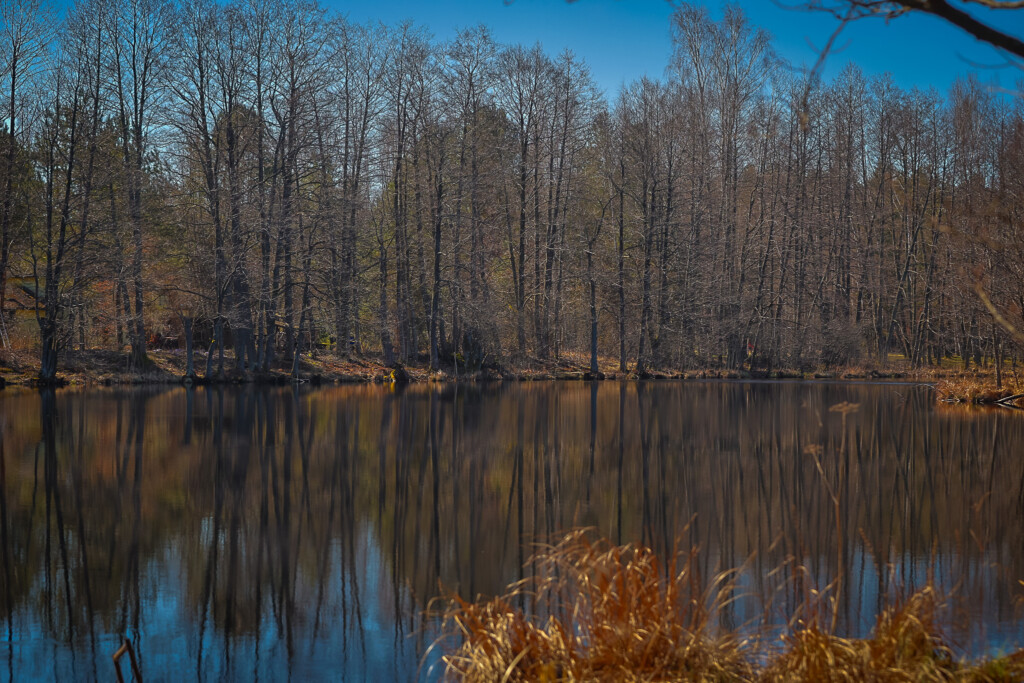
The Garezeri Lakes are unique dune-origin lakes located on the Vidzeme coast. They consist of three interconnected lakes – Northern, Middle, and Southern Garezers. The lakes stretch approximately 4 km in length, with the Middle Garezers being the deepest, reaching a maximum depth of 4 m. The surroundings feature sandy and peat-rich shores, as well as special habitats home to characteristic plants such as the white water lily and Dortmann’s lobelia.
The lakes are part of the “Piejūra” Nature Park and are protected as valuable natural areas. The region offers opportunities for scenic walks and the restorative benefits of nature.
The trail offers two different options:
Linear route – approximately 7 km long. It can be started from either Gauja Station or Lilaste Station, served by the Rīga–Skulte train line. The route passes along Northern, Middle, and Southern Garezers. The terrain consists mainly of forest paths, sandy trails, and dune landscapes, making it ideal for a peaceful walk in nature.
Circular route – approximately 11 km long, starting from Skautu Street in Gauja Village. It passes along Northern, Middle, and Southern Garezers and returns via the sea coast. The terrain includes forest trails and roads, as well as the seaside shore, offering beautiful views and a varied walking experience. Map – here.
The trails pass through foredunes, dry pine forests, and interdune hollows, revealing a variety of coastal landscapes. In some places, views open up to steep dune slopes reflected in the lake waters, creating particularly picturesque scenes. The Garezeri area is also an important habitat for birds and plants, making the trail suitable for nature observation.
Green Tips for Visiting “Piejūra” Nature Park (© Lauku ceļotājs)
- Visit the local Tourist Information Center.
- Dispose of waste only in designated containers.
- Remember: in Latvia, drive only on roads.
- Park vehicles where they do not harm nature or disturb others.
- Explore common species – they can be surprisingly interesting.
- Do not leave graffiti on natural formations or rock outcrops.
- Buy local products from farmers and entrepreneurs.
- If there’s no firewood at a designated fire site, bring your own or purchase locally.
- Do not start open fires during fire hazard periods. Ashes should never be dumped into water.
- Keep mobile phones secure and silent during boat trips to avoid disturbing wildlife.
- On rivers, keep noise to a minimum; speak quietly to observe wildlife.
- Dogs should be leashed and muzzled during boat trips.
- Launch boats from areas with easy river access without eroding riverbanks.
- In NATURA 2000 areas, overnight only in designated tourist spots.
- Avoid entering caves in autumn, winter, and spring when bats and other wildlife are hibernating.
- Use as many locally produced goods as possible.
- Record observations – notes can support research and conservation.
- Respect others’ rights and follow park rules.
- Avoid disturbing waterfowl families with young; bypass them gently.
- Harvest mushrooms with a knife; avoid mechanical tools for wild berries.
- Observe wildlife from a distance to avoid disturbing resting or nesting sites.
- Conserve resources when staying in lodges or hotels.
- Do not visit animal habitats during breeding or wintering periods.
- Travel using eco-friendly transport – train, bike, boat, or skis.
- On trails, walk in single file (“goose-step”) to minimize impact.
- Review fishing regulations for the area before fishing.
Prohibited in “Piejūra” Nature Park
- Entering Ummja Lake from June 1 to August 15.
- Camping or making fires outside designated areas.
- Using motor vehicles, horse-drawn carriages, mopeds, or scooters in the park, except for park management or property duties.
- Damaging or destroying information signs, boards, or facilities.
- Using motorboats in Southern, Middle, Northern Garezers, and Ummja Lake, except for management, monitoring, or scientific research purposes.
- Spearfishing in the above lakes.
For detailed regulations on protection and use in Piejūra Nature Park, see here.